

Will Birthright Citizenship Be Restricted in the United States?
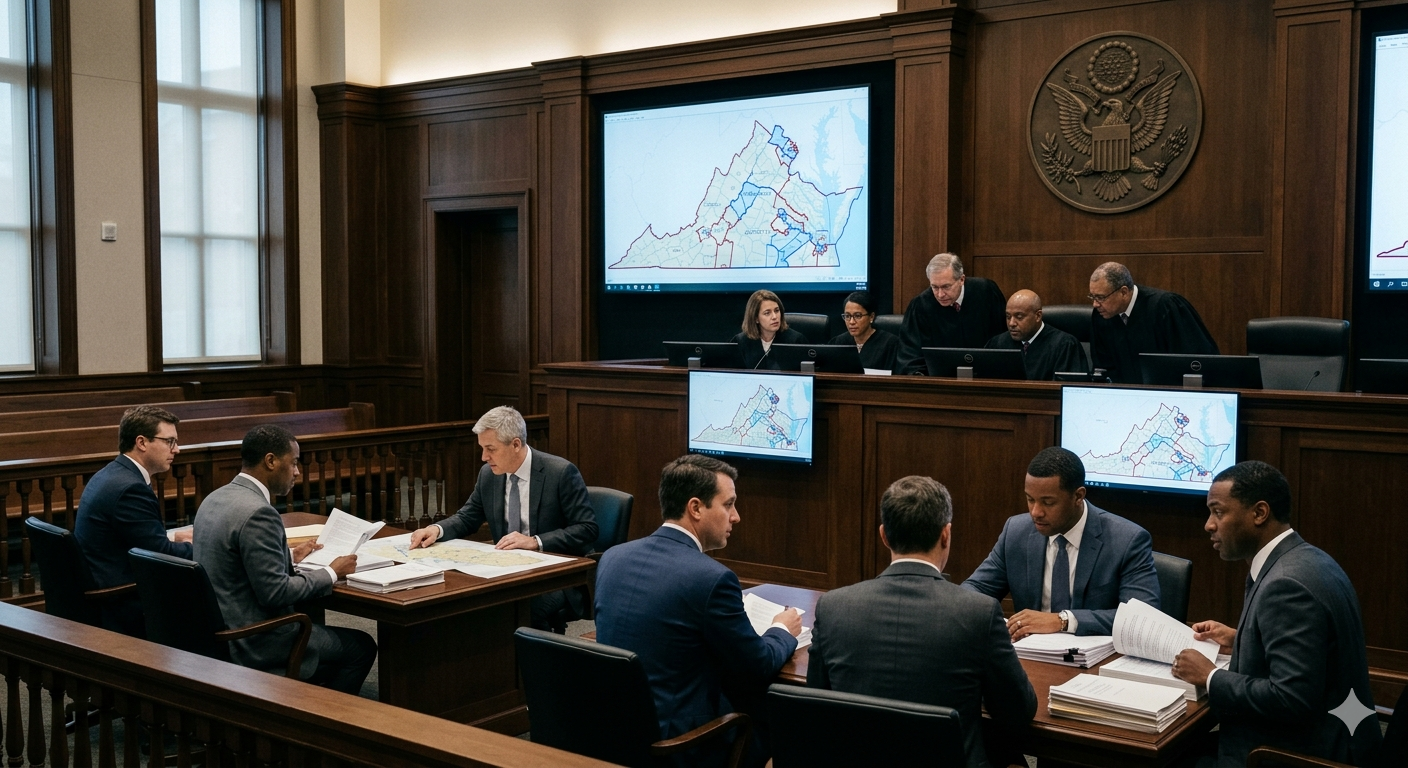
The Supreme Court of the United States has reviewed a lawsuit filed by the administration of President Donald Trump, which seeks to radically alter the rules governing the granting of birthright citizenship. President Trump personally attended the proceedings, marking the first instance in U.S. history in which a sitting president has attended a Supreme Court hearing.
Subject of the Dispute: Interpretation of the 14th Amendment
The presidential order instructs government agencies not to recognize the citizenship of children born in the United States if neither parent is a U.S. citizen or a lawful permanent resident (Green Card holder).
Administration’s Argument: Solicitor General John Sawyer stated that automatic citizenship serves as a “pull factor” for illegal migration. According to him, the phrase in the 14th Amendment — “subject to its jurisdiction” — applies only to those who possess “primary allegiance” to the United States.
Opponents’ Position: Attorneys from the ACLU point to the 1898 precedent (United States v. Wong Kim Ark), which established that any person born on U.S. soil (with the exception of children of diplomats) automatically becomes a citizen.
Judicial Skepticism
Despite the Court’s conservative majority (6–3), a significant number of justices expressed doubt regarding the administration’s position:
Chief Justice John Roberts described the argument as “unusual” and noted that the administration is attempting to extend narrow exceptions (children of diplomats) to a vast group.
Justice Amy Coney Barrett raised questions regarding practical enforcement: how should the “intent to remain” of parents be determined at the moment of a child’s birth?
Justice Neil Gorsuch indicated that the administration’s position is difficult to reconcile with existing legal precedents.
Analysis by Kh & Partners Lawyers
This case represents the most significant constitutional challenge in U.S. immigration law in the past century.
According to our experts:
Strength of Precedent: The U.S. legal system is grounded in the principle of Stare Decisis (adherence to precedent). Revisiting the Wong Kim Ark case would imply dismantling 130 years of stable practice, which courts typically avoid.
Large-Scale Impact: Experts predict that if Trump’s order takes effect, it will place the legal status of up to 250,000 newborns annually into question. This would result in unprecedented bureaucratic disruption, where millions of individuals would be required to reestablish their citizenship status.
Political Context: The President’s attendance at the hearing and his subsequent critical statements toward the justices indicate tension between the executive and judicial branches, which has intensified particularly after the Court blocked tariffs imposed by the President.
Kh & Partners Conclusion: “The principle of birthright citizenship is one of the cornerstones of American democracy. Its alteration solely through a presidential executive order, without a constitutional amendment, rests on very weak legal grounds. The justices’ skeptical stance suggests that the Court is likely to uphold the traditional interpretation of the Constitution.”
Statistical Data:
The United States is one of 33 countries that apply the principle of Jus Soli (right of the soil). According to data from the Pew Research Center, the number of children born in the United States to undocumented individuals has declined in recent years; however, the administration continues to consider it a “primary pull factor.”
Why do clients trust us?
▪️ 33+ years of experience in the field of law
▪️ 160+ lawyers in the global network
▪️ 2000+ business customers and satisfied clients
▪️ 96% success rate and 100+ acquittals
▪️ ISO standard and highest quality of service
▪️ Insured legal services
🌍 International scale — our geography includes countries: Georgia, USA, France, Spain, Ukraine, Turkey, China, South Korea and others.
Our philosophy: Peace, Reliability and Victory!
📞 +995 595 17 17 41
✉️ info@khlaws.com
📍 Tbilisi, Georgia
 Analytics