

Jury
In criminal proceedings, the primary form of administering justice is the adjudication of a case by a professional judge. As a neutral arbiter, he presides over the process and renders a final decision regarding the issue of a person’s guilt. Every coin has two sides, and this model of justice is characterized by both positive and negative factors. On the one hand, the consideration of a case by a qualified individual inspires greater confidence in the legality of the outcome; on the other hand, it is seen as carrying a risk of bias.
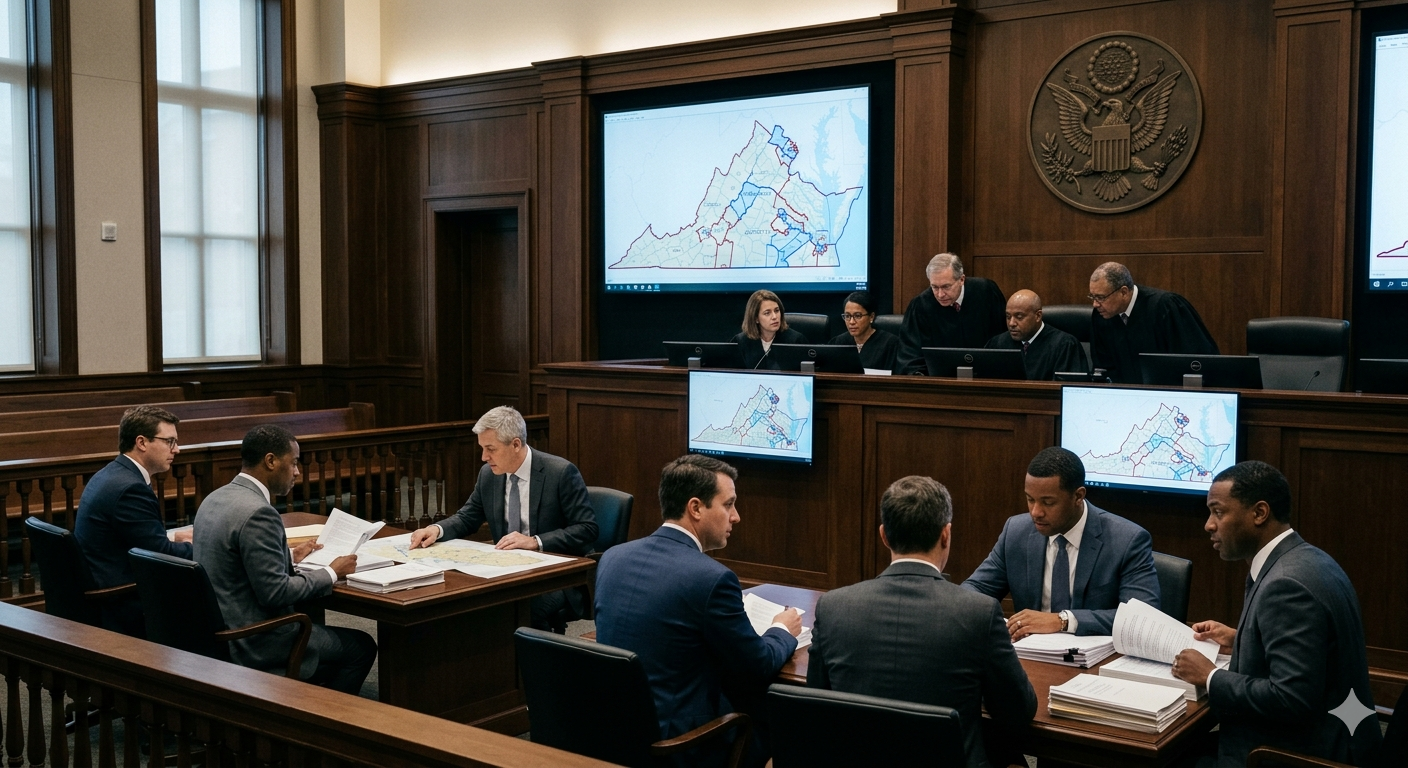
The aspiration to form an ideal system of justice has led humanity to the institution of the jury. This model is based on the principle of “trial by peers.” Ordinary members of society participate in the consideration of criminal cases. In this article, we will review the current issues related to the institution of the jury.
1. Who may be a juror?
The selection of a person as a candidate juror is connected with randomness; however, it requires the fulfillment of various criteria. A person is authorized to participate as a juror in court proceedings if they simultaneously meet the following four conditions:
- The first condition relates to age — according to the database of the Civil Registry of Georgia, the person must be recorded as having attained the age of 18. A minor cannot serve as a juror, regardless of other circumstances.
- The second condition concerns knowledge of the language — the person must have full proficiency in the language of criminal proceedings. This is crucial for the juror to properly understand and evaluate the evidence, testimonies, and arguments presented in court.
- The third condition is of a geographical nature — the place of residence must correspond to the territorial jurisdiction of the court where the proceedings are conducted, namely, the person must reside in Eastern or Western Georgia depending on the location of the jury trial.
- The fourth condition relates to capability — the person must not have any limitation that would hinder the performance of juror duties.
2. Who may not be a juror
A person cannot participate as a juror in criminal proceedings if there exists a ground for recusal established by the Code, or if they belong to the following categories. Persons holding state-political positions are excluded, as their status is incompatible with the role of a juror. Similarly, representatives of the law enforcement system — a prosecutor, investigator, police officer, or an employee of the State Security Service of Georgia — cannot perform juror duties, as their professional affiliation with the law enforcement system calls their impartiality into question. The same principle applies to an lawyer, whose legal profession and connection with the judicial system may affect their objectivity as a juror. An active military servicemember is excluded due to the specifics of military service, while a clergy member is excluded in consideration of their special social status. Exclusion also applies to a person who is already a participant in the criminal proceedings of the case under consideration, as well as to the accused. The restriction also applies to a person who has been subjected to an administrative penalty for the use of a small amount of a narcotic substance and less than one year has passed since the imposition of such penalty, as well as to a person with a criminal record.
3. Do you have the right to refuse to perform the duties of a juror?
You have the right to refuse to perform the duties of a juror on several grounds.
- If you have already served as a juror within the last year, you have the right to refuse repeated participation.
- If you perform work related to the protection of human life, health, or civil safety, and your replacement during a specific period is impossible or would cause significant damage,
- If your health condition does not allow you to perform juror duties, this constitutes a ground for refusal.
- If you are staying or traveling outside the territory of Georgia for an extended period, you also have the right to refuse.
- If you are over 70 years old, the law exempts you from this obligation.
Remember!
The deliberate submission of false information to the court by a juror or a candidate juror will result in criminal liability. If you are a candidate juror, consider several important details. First of all, verify whether you meet any grounds for exclusion — if you are a prosecutor, police officer, адвокат, military servicemember, clergy member, or a holder of a state-political position, the law prohibits your participation, and you must inform the court accordingly.
Also assess whether you have legal grounds for refusal — if you have already served as a juror in the past year, are over 70 years old, have a health condition, are traveling abroad for a long period, or perform work whose interruption would cause significant harm — you have the right to refuse and must notify the court. During the selection process, when answering questions, be honest and do not conceal information that may cast doubt on your impartiality — for example, a personal connection to the case or the parties. Remember that the purpose of selection is precisely to identify an impartial and fair juror.
If you have questions on other matters, please contact us.
Why do clients trust us?
▪️ 33+ years of experience in the field of law
▪️ 160+ lawyers in the global network
▪️ 2000+ business customers and satisfied clients
▪️ 96% success rate and 100+ acquittals
▪️ ISO standard and highest quality of service
▪️ Insured legal services
🌍 International scale — our geography includes countries: Georgia, USA, France, Spain, Ukraine, Turkey, China, South Korea and others.
Our philosophy: Peace, Reliability and Victory!
📞 +995 595 17 17 41
✉️ info@khlaws.com
📍 Tbilisi, Georgia
 Analytics